
The topic of purchasing subscribers on Telegram is surrounded by myths, fears, and outright marketing lies. Some consider it a pointless manipulation, while others see it as an essential startup tool. The truth, as usual, is somewhere in the middle. To understand whether it is worth buying subscribers at all, it's important to figure out what exactly you are purchasing, for what price, and with what consequences.
Almost no one buys subscribers "just for the number". The reason is always pragmatic — social proof. An empty channel with 23 subscribers breeds distrust, even if the content is of high quality. A channel with 3-5 thousand subscribers is perceived quite differently: as alive, already chosen by someone.
Purchasing subscribers is often used:
It's important to understand: buying subscribers is not growth, but a decoration of the storefront.
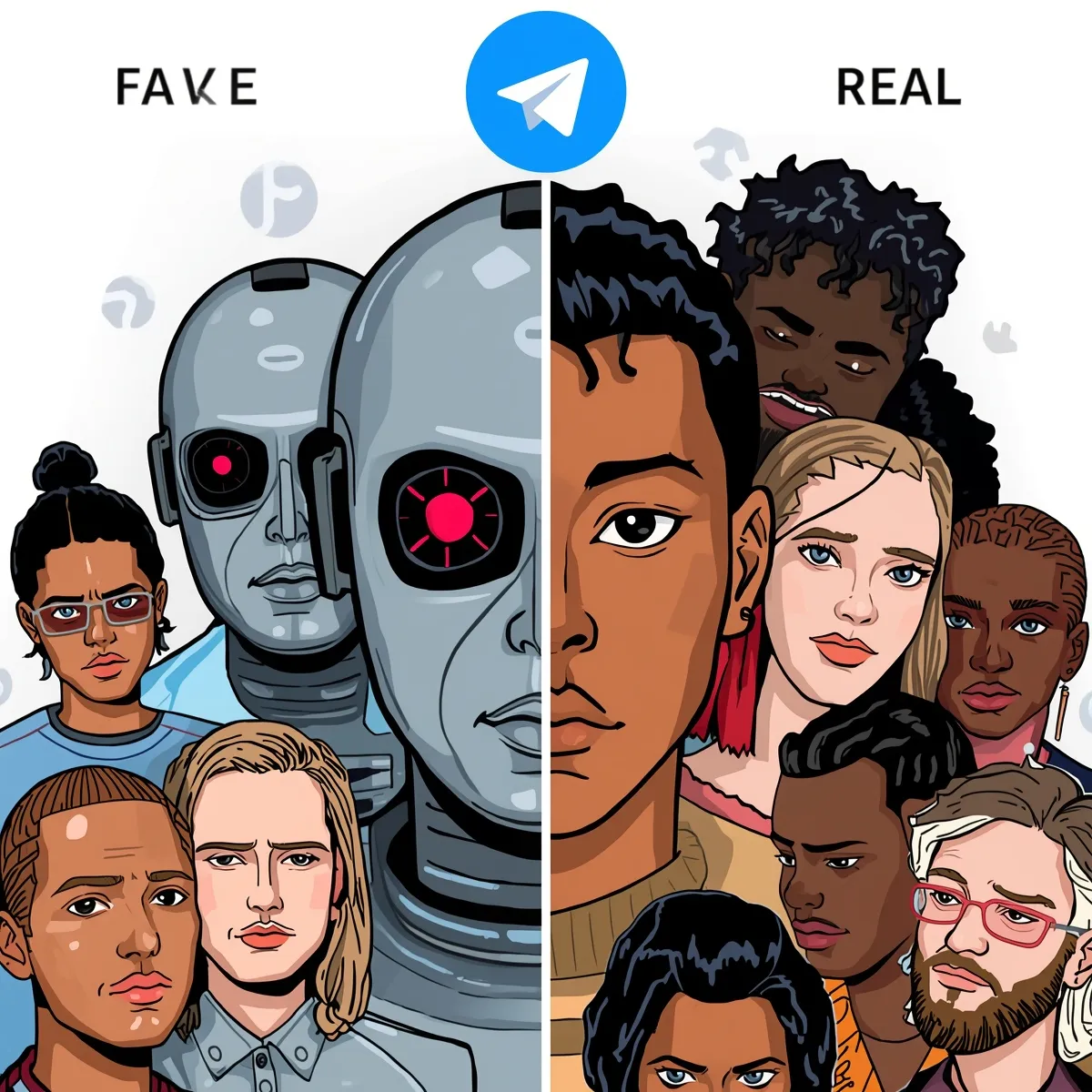
The market for subscriber manipulation has long ceased to be homogenous. Today, the term "subscribers" hides completely different things.
The cheapest option is bots. These are dead accounts without avatars, activity, or interaction. They simply increase the number. Such subscribers are cheap, but there is no benefit from them. Moreover, a sharp increase in bots can ruin the channel's statistics.
The next level is "semi-alive" accounts. These are real users who subscribe for rewards or are automatically added through tasks. They may appear alive, but they hardly read the content or interact with the channel.
The most expensive and rare option is motivated subscribers. These are people who consciously subscribe: through offers, mutual recommendations, or targeted traffic. Formally, this is also a purchase, but the quality here is fundamentally different.
Prices vary greatly depending on quality and volume.
On average in the market:
If someone offers you "live active subscribers" at a price below the market — it's almost always a scam.
It's important to say right away: there are no universally safe services. There are only less risky options.
Among popular formats:
Frequently used platforms (not advertising, but market examples):
The situation with Telegram bots is even more complicated: today they exist, tomorrow they disappear along with the money. It is advisable to use them only for tests and small volumes.
Telegram fundamentally differs from social networks with strict algorithms. It values audience behavior over the number of subscribers. A channel with 100,000 subscribers and zero engagement simply will not grow further.
Telegram rarely bans channels for manipulation directly, but:
Essentially, manipulation punishes itself if used thoughtlessly.
Purchasing can be justified if:
In all other cases, it is simply wasted money.
Experienced administrators use a hybrid strategy. Minimal manipulation creates an appearance, and then the following come into play:
Systems like Telematic.pro allow you to build just such a model: when the channel looks alive, is regularly updated, and really grows due to content rather than numbers.
Buying subscribers on Telegram is a tool, not a strategy. It does not make the channel successful, does not bring money, and does not create an audience. It merely creates a sense of scale.
If used carefully and consciously — there will be no harm. If you hope that the number will solve everything — disappointment is inevitable.
In 2026, those who win on Telegram are not the ones with more subscribers, but those with a live, trusting audience.

Comments 0